
Online gaming connects players through accounts, chats, and digital purchases. Email often serves as the control center for passwords, alerts, and recovery links. A single weak habit inside email handling creates entry points for account abuse. Attackers focus on predictable behavior rather than advanced tools. Competitive players, streamers, and casual users face equal exposure. Awareness of one common email mistake reduces risk across gaming platforms and connected services.
Reusing the Same Email for Every Game Account

Many players register multiple gaming services using one email address. Attackers gain leverage once access occurs through phishing or data leaks. One breach spreads across launchers, stores, and forums. Account recovery links then route through one inbox, increasing exposure during high activity periods such as game launches.
Ignoring Sender Details During Game Alerts

Game related emails often mimic official messages about bans, rewards, or security checks. Players focus on urgency rather than sender details. Attackers exploit familiar logos and language. A quick click during gameplay breaks attention. Verification of sender domains prevents exposure to credential capture pages.
Clicking Login Links While In Game

Live matches reduce attention to security cues. Emails promising drops, skins, or rank updates trigger fast reactions. Login links redirect to look alike pages. Credentials entered during distraction reach attackers. Direct navigation through official sites reduces risk during competitive sessions.
Using Weak Inbox Passwords Linked to Gaming
Email protects access to game accounts and marketplaces. Weak passwords invite automated attacks using leaked databases. Attackers prioritize inbox access due to reset links. Strong unique passwords block account takeover attempts. Password managers support long credentials without memory strain.
Skipping Two Step Verification on Email
Many players enable extra protection on game accounts while ignoring inbox security. Attackers bypass game defenses by resetting passwords through email. Two step verification adds a time barrier. Login attempts then require device approval. This step blocks remote attacks during streaming or tournaments.
Trusting Reward Emails Without Cross Checking
Gaming events generate legitimate reward emails. Attackers copy timing and offers. Messages promise coins, passes, or beta access. Cross checking announcements inside official apps avoids traps. Reward claims processed only within known platforms reduce exposure.
Using Public Wi Fi While Accessing Email
Tournaments, cafes, and gaming lounges rely on shared networks. Email access on open networks exposes session data. Attackers monitor traffic for login activity. Secure connections or mobile data protect inbox sessions. Avoiding email logins on public networks lowers risk.
Overlooking Email Security Alerts
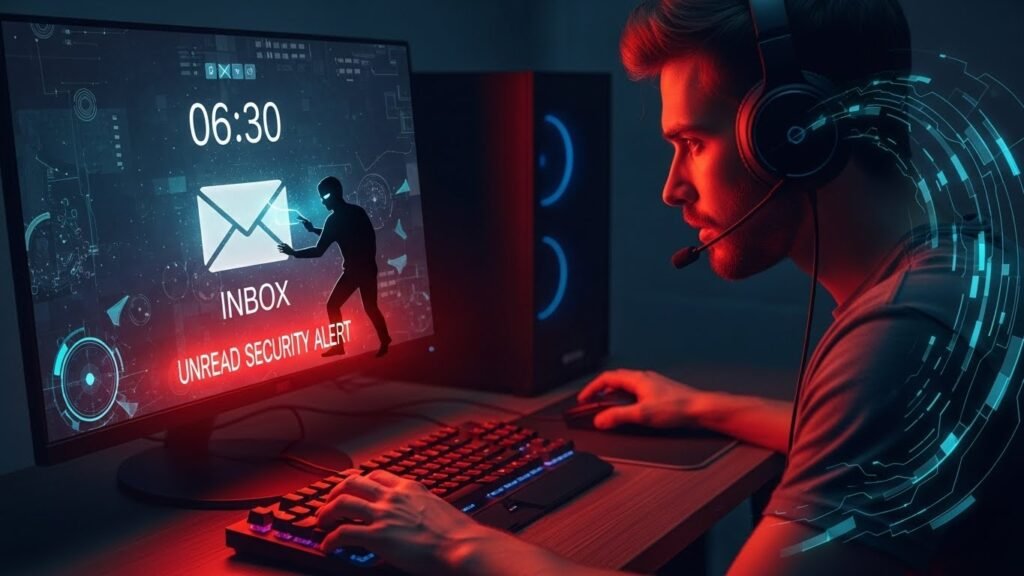
Email providers send alerts for unusual activity. Many players ignore messages during gaming sessions. Early alerts signal attempted access. Fast response prevents account resets. Reviewing alerts daily supports long term account control.
Delaying Inbox Cleanup After Breaches
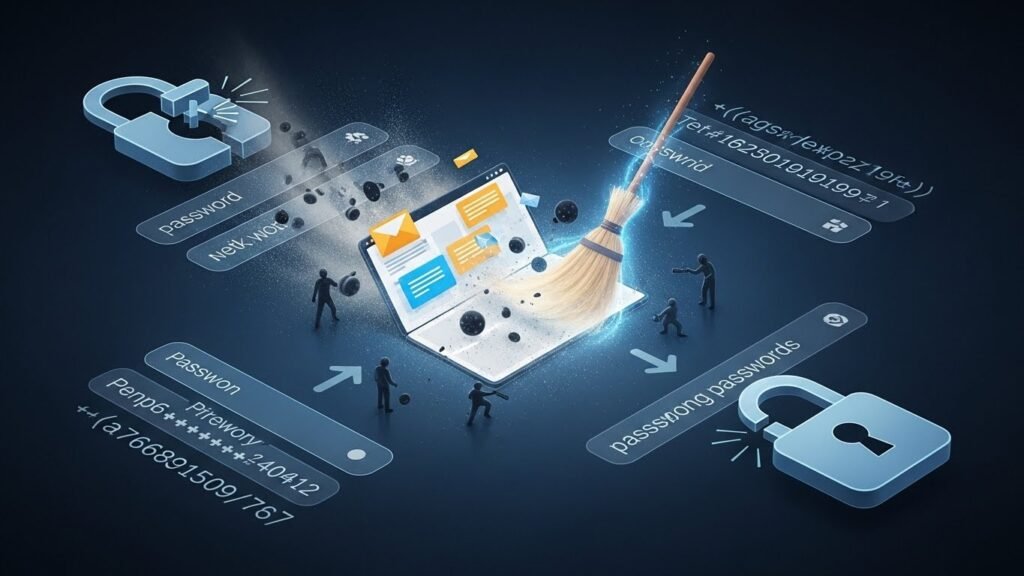
Data breaches surface regularly across gaming communities. Delayed password changes allow attackers time. Inbox access enables silent resets. Immediate action after breach news limits damage. Changing email passwords first cuts off recovery paths.