
Artificial intelligence drives many modern gaming systems, from matchmaking to in game behavior. Public discussion often focuses on hype rather than function. This article explains how artificial intelligence operates in gaming environments, where value appears, and where limits exist. Each section focuses on observable use cases rather than abstract promises, using current industry practices as reference points.
AI Foundations in Gaming

Artificial intelligence in gaming refers to systems trained on large data sets to identify patterns and respond to player actions. These systems rely on rules, statistics, and learning loops. Studios deploy artificial intelligence to manage non player behavior, balance difficulty, and support large online environments without manual oversight.
Player Behavior Analysis
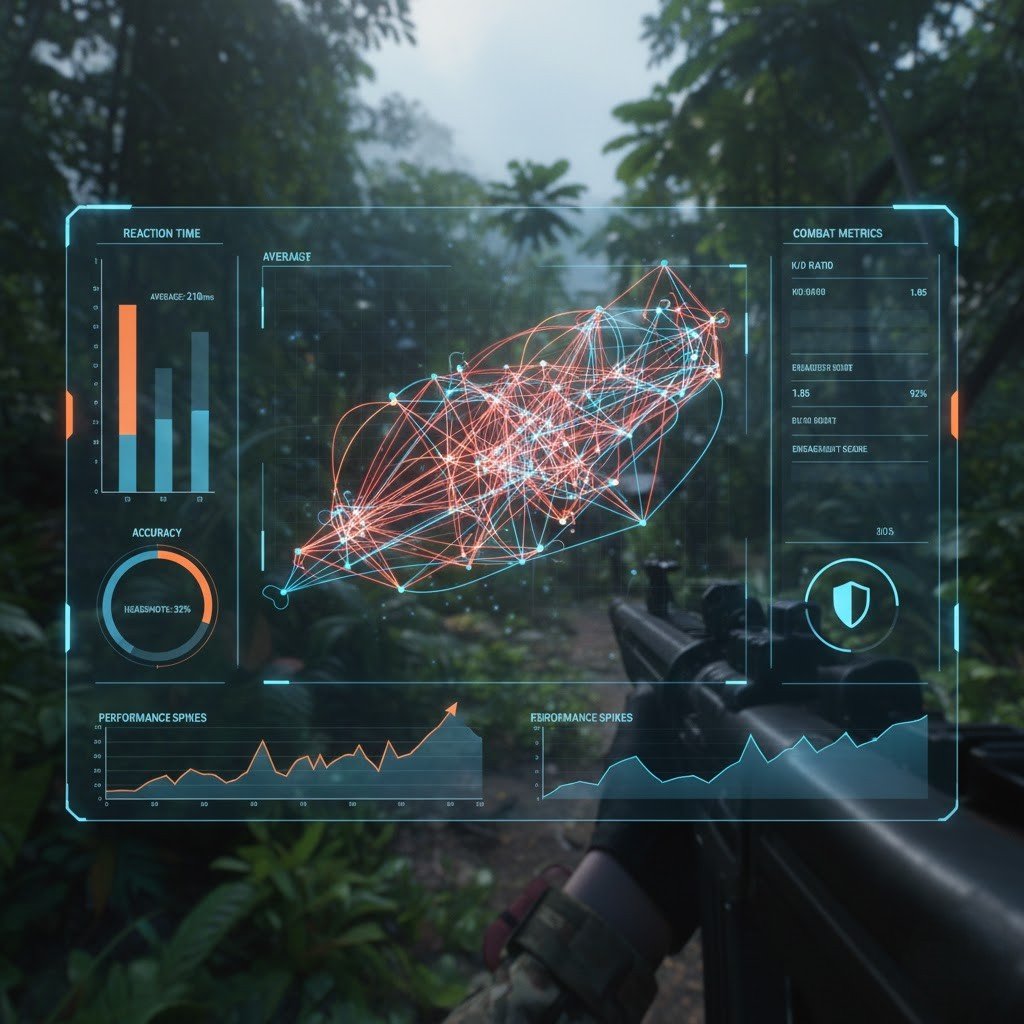
Artificial intelligence tracks player inputs such as movement choices, session length, and reaction timing. Data supports tuning of difficulty levels and progression curves. For example, adaptive difficulty systems adjust enemy strength based on recent performance metrics, reducing early exits and stabilizing session length across skill groups.
Matchmaking and Fair Play
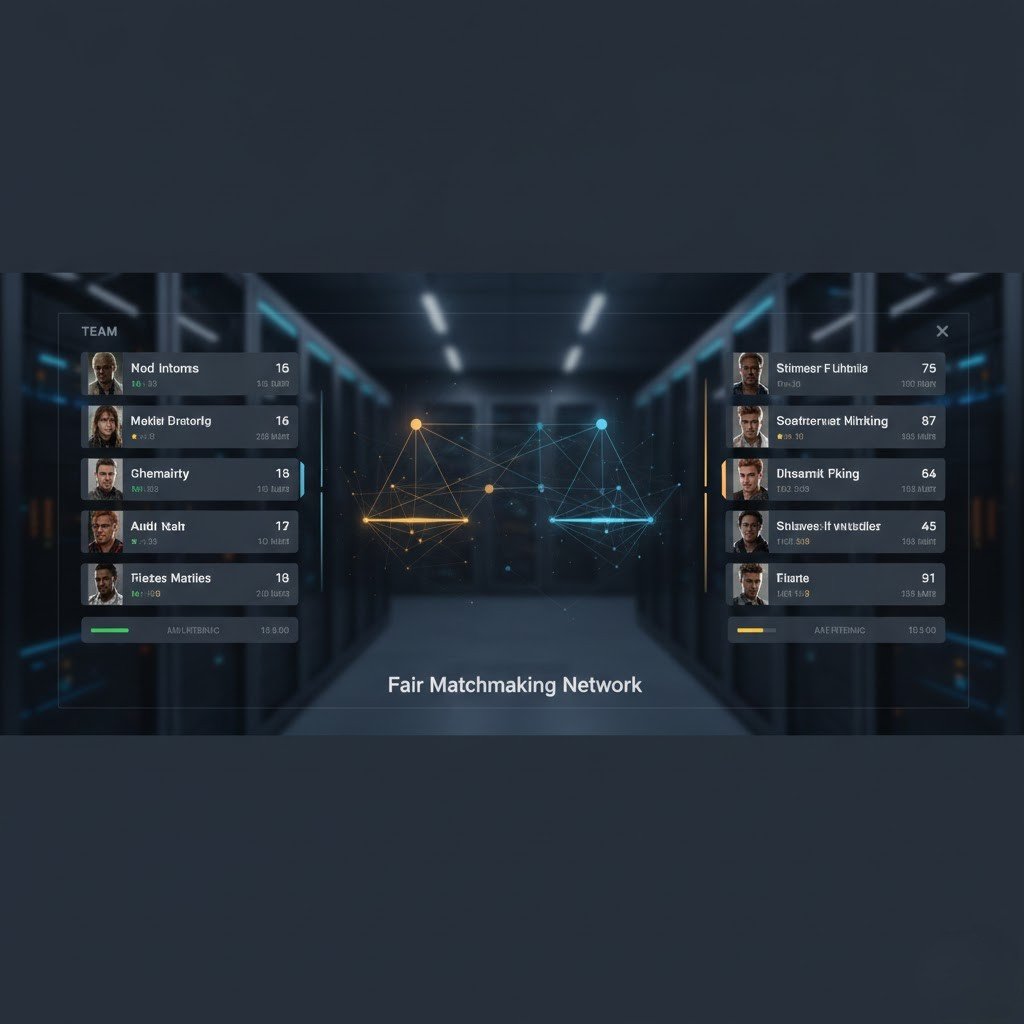
Multiplayer games use artificial intelligence to group players with similar performance profiles. Ranking models evaluate win rates, accuracy, and latency data. These systems reduce mismatch frequency and lower frustration. Fair play monitoring uses similar models to flag abnormal input patterns associated with automation tools.
Non Player Character Design
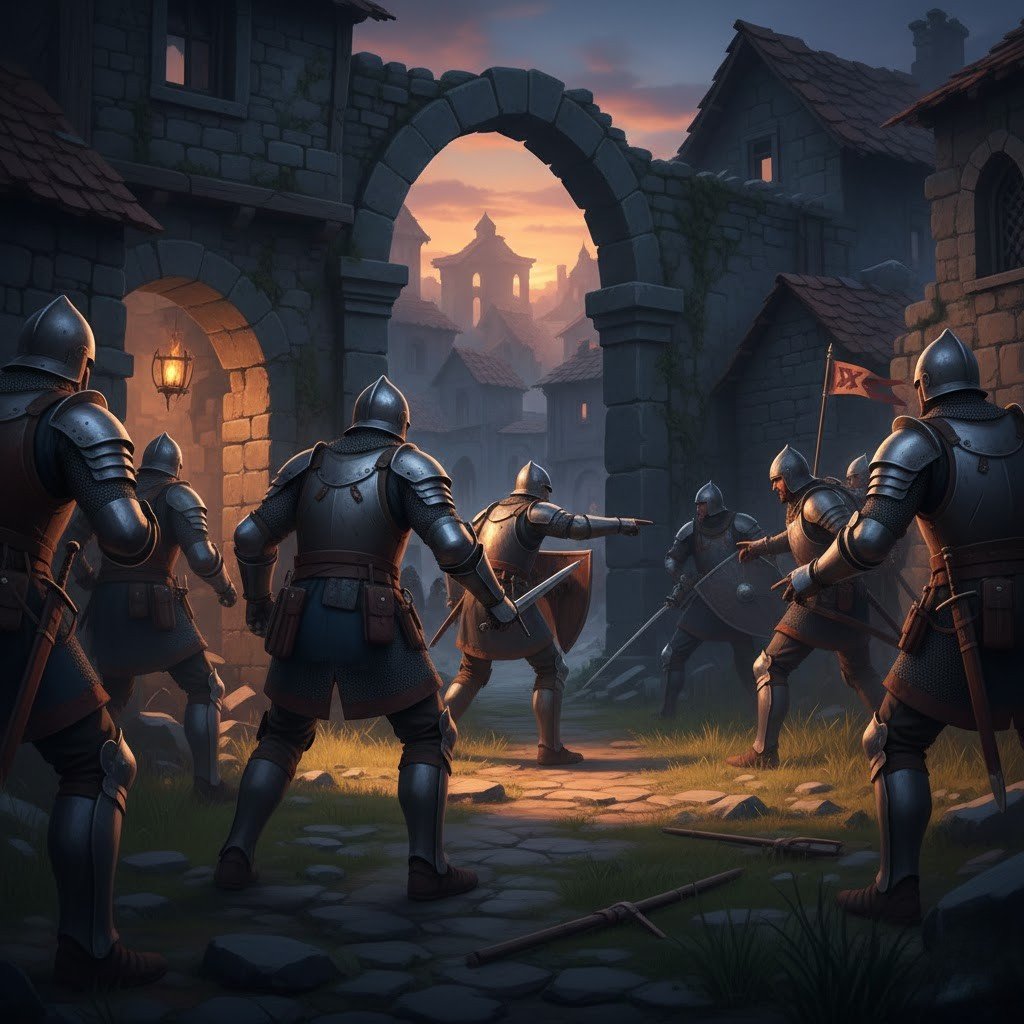
Artificial intelligence governs non player movement, targeting, and decision priority. Modern systems move beyond scripted paths toward state based responses. For example, enemy units retreat when health thresholds drop or coordinate attacks after spotting patterns. This approach increases replay variation without manual content expansion.
Procedural Content Support

Artificial intelligence assists with level generation, map layouts, and environmental variation. Data driven generation shortens development cycles for large worlds. Roguelike games rely on these systems to reshuffle encounters and rewards while preserving balance targets defined by designers.
Testing and Quality Control
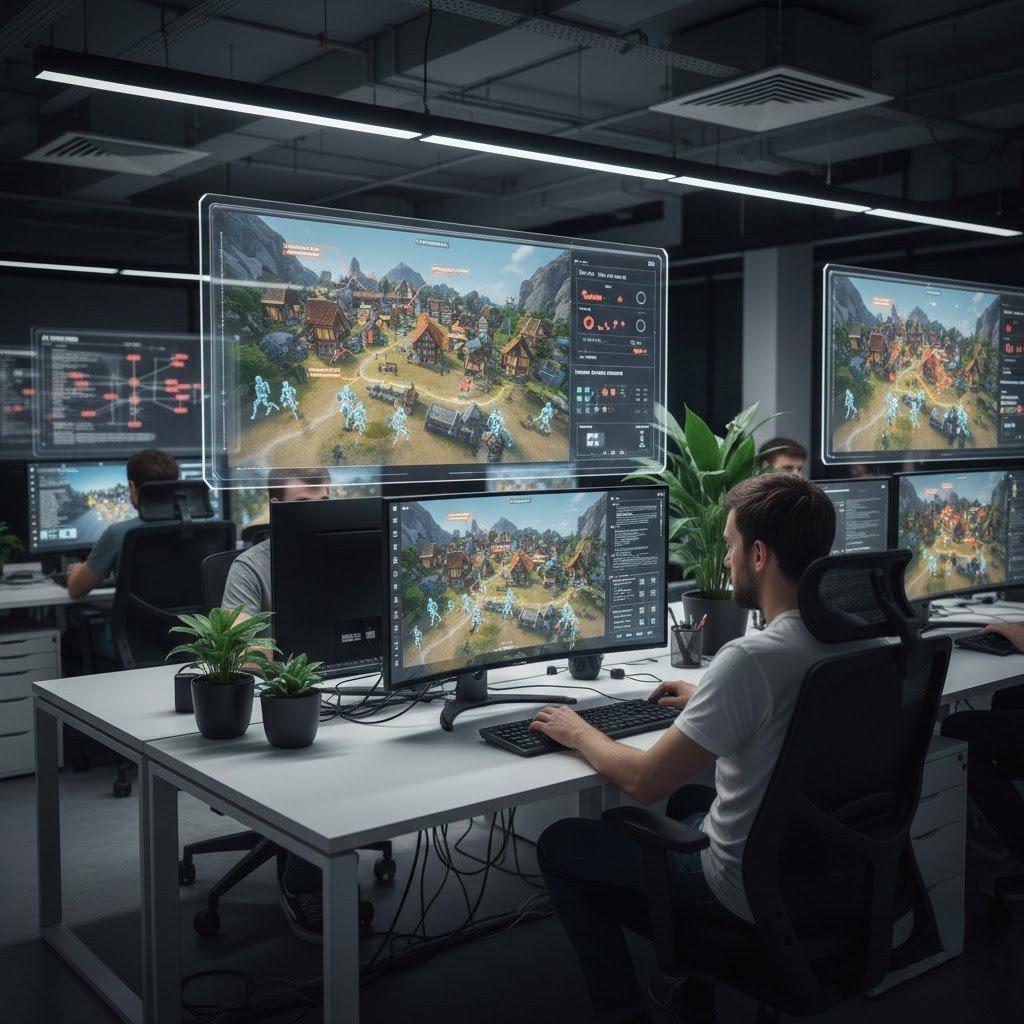
Game testing teams use artificial intelligence agents to simulate thousands of play sessions. These agents identify collision errors, progression locks, and exploit paths. Automated testing reduces manual workload and shortens patch cycles, especially for live service titles with frequent updates.
Monetization Optimization
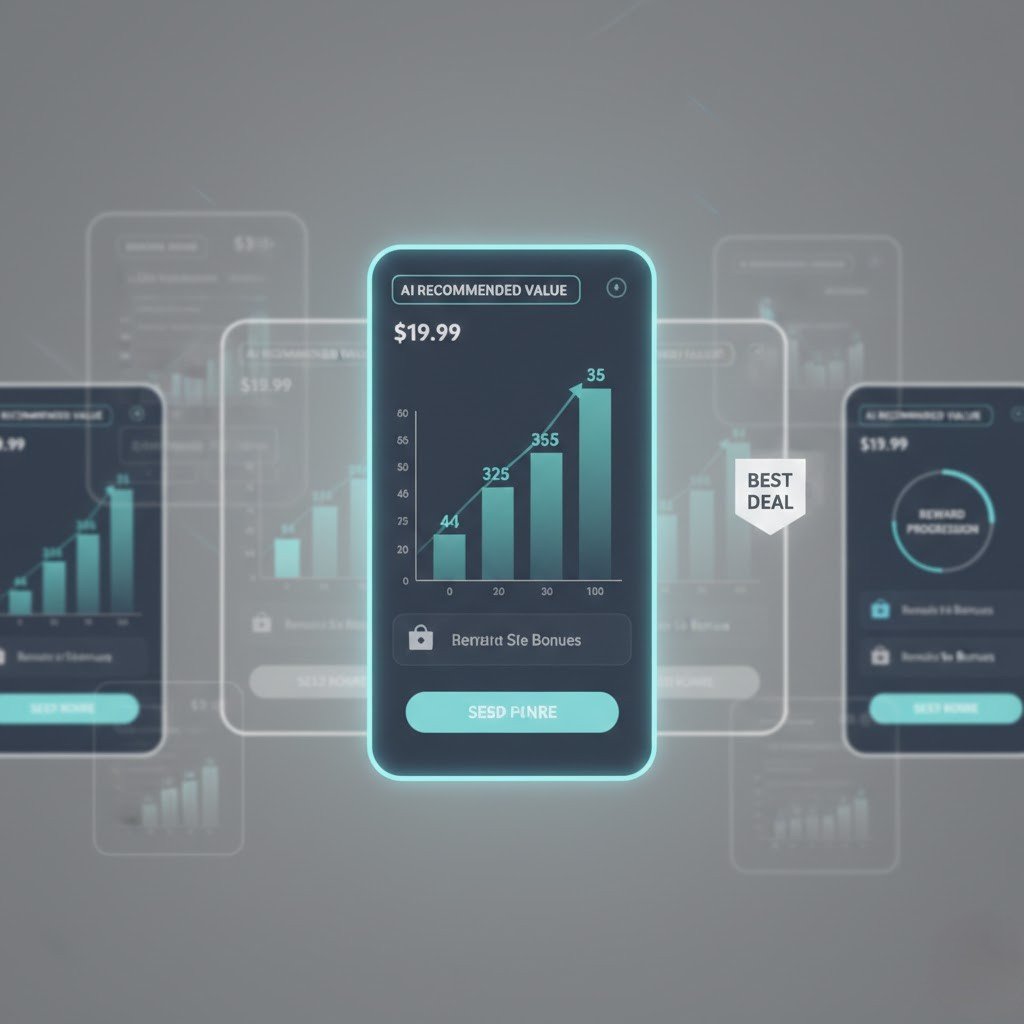
Artificial intelligence evaluates purchase timing, item pricing sensitivity, and session drop off points. Studios use these insights to adjust store layouts and reward pacing. Ethical oversight remains important since excessive pressure risks user trust erosion and regulatory scrutiny.
Performance and Network Management

Online games depend on artificial intelligence to manage server load and latency prediction. Traffic models shift resources during peak hours. Predictive routing reduces disconnect rates during competitive matches, which supports player retention in ranked modes.
Limits and Misconceptions

Artificial intelligence does not replace designers or writers. Systems operate within parameters defined by humans. Poor data quality leads to poor outcomes. Overreliance on automation increases risk of repetitive behavior and balance drift without regular human review.
What Players Should Watch

Players benefit from understanding artificial intelligence presence through patch notes and developer updates. Signs include adaptive difficulty references or behavior tuning changes. Awareness supports informed feedback and realistic expectations about features marketed under artificial intelligence labels.