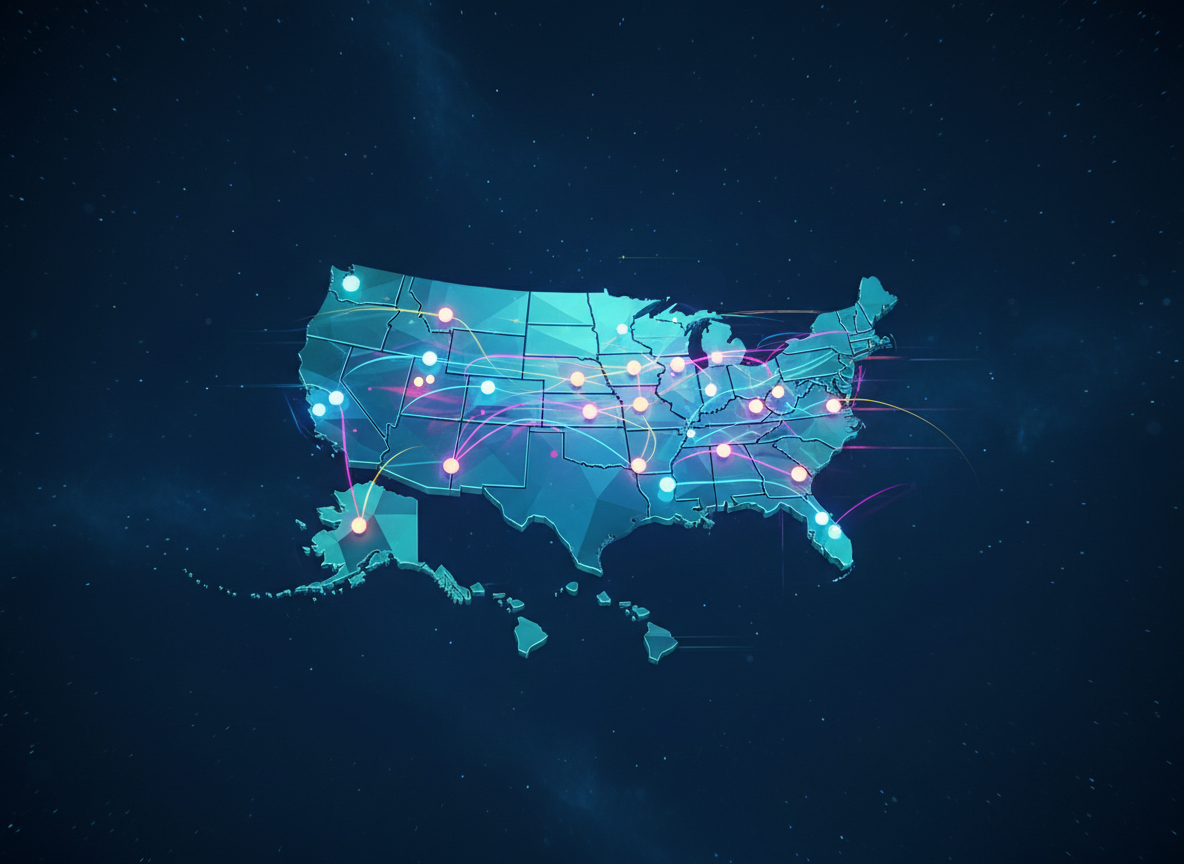
Travel across the United States now mirrors structured gameplay, where tools respond to player choices in real time. AI powered gadgets guide movement, manage resources, and adapt experiences based on behavior. Travelers receive feedback similar to gaming systems, including progress tracking and adaptive difficulty. This approach supports efficient planning, reduced friction, and experiences aligned with personal interests across cities, highways, and entertainment hubs.
Adaptive Route Planners as Dynamic Maps

AI navigation devices operate like open world maps in games. Routes adjust based on traffic density, weather shifts, and personal travel patterns. A road trip from Los Angeles to Las Vegas benefits from predictive rerouting during peak hours. Data from past drives shapes future recommendations, improving travel flow without manual input.
Smart Wearables as Player Status Panels

Wearable AI devices track fatigue, hydration, and movement metrics. These signals guide rest stops and activity pacing. Similar to stamina bars in games, feedback prevents burnout during long sightseeing days. A traveler walking through New York neighborhoods receives prompts for breaks based on step patterns and heart rate trends.
AI Language Translators as Dialogue Systems

Real time translation earbuds support interaction with regional accents and multilingual communities. Speech recognition adapts after repeated use. This mirrors non player character dialogue trees in role playing games. Communication across diverse U.S. regions improves without reliance on screens, supporting smoother dining, shopping, and transport exchanges.
Smart Luggage as Inventory Management
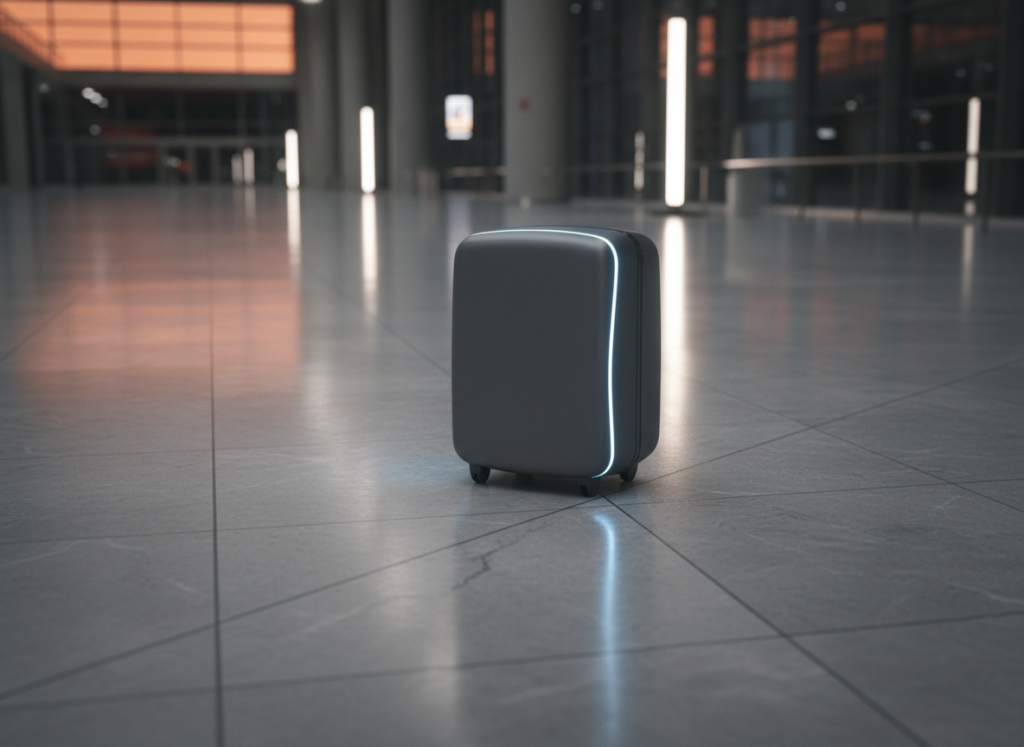
AI enabled luggage tracks weight, location, and handling conditions. Alerts prevent overpacking and reduce loss risks. This system functions like inventory limits in games. Travelers moving through busy airports such as Atlanta or Chicago gain visibility into belongings through mobile dashboards linked to airline data feeds.
Personalized Entertainment Hubs for Downtime

Portable AI consoles and tablets curate games, shows, and interactive content based on mood and location. Long flights or hotel stays shift into controlled play sessions. Gaming profiles sync progress across devices, supporting continuity. Downtime transforms into structured engagement rather than idle waiting.
AI Cameras as Quest Recorders
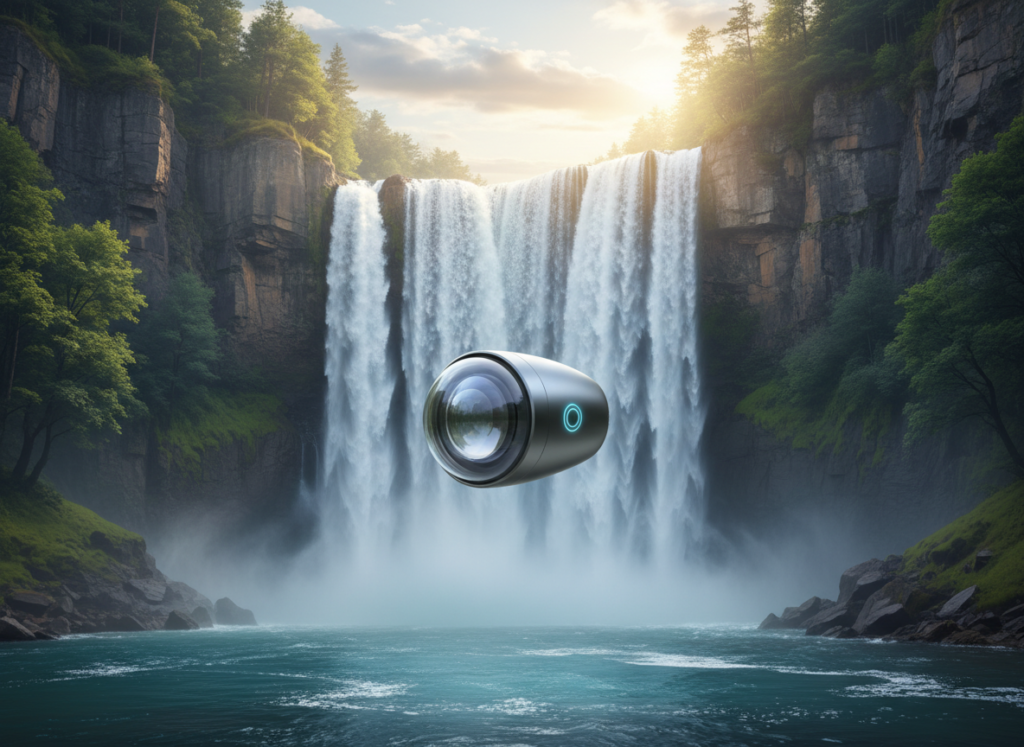
Smart cameras select optimal angles, lighting, and framing based on location data. National parks and urban landmarks receive tailored capture settings. Similar to achievement logs in games, visual records organize memories by trip objectives. Travelers reviewing content later see journeys segmented into clear milestones.
Voice Assistants as Travel Companions

AI voice assistants manage schedules, bookings, and reminders through conversational prompts. This mirrors in game companions offering guidance. A traveler exploring San Francisco receives dining suggestions aligned with prior choices. Interaction history shapes future prompts, reducing repetitive inputs during multi city travel plans.
Smart Accommodation Controls as Base Camps

AI powered hotel rooms adjust lighting, temperature, and sound based on guest routines. These rooms function like home bases in games. After late travel, sleep settings activate automatically. Consistent environments across hotel chains support comfort and recovery between daily exploration sessions.
AI Payment Tools as Resource Balancers

Spending trackers analyze purchase patterns and alert users during budget drift. Similar to in game currency management, financial awareness stays visible. Travelers attending gaming conventions or theme parks receive real time spend summaries. Adjustments occur before limits approach, supporting longer trips without financial strain.
Experience Recommendation Engines as Quest Selectors

AI platforms suggest attractions based on time, energy, and interests. This reflects quest selection menus in games. A visitor in Austin receives music venue options aligned with past behavior. Each choice influences future suggestions, forming a feedback loop focused on preference accuracy rather than volume.